
Service
Drone Warehouse and Logistics Facility Cleaning
Large-area coverage across warehouses and distribution centres, with consistent methodology across facility networks.
Overview
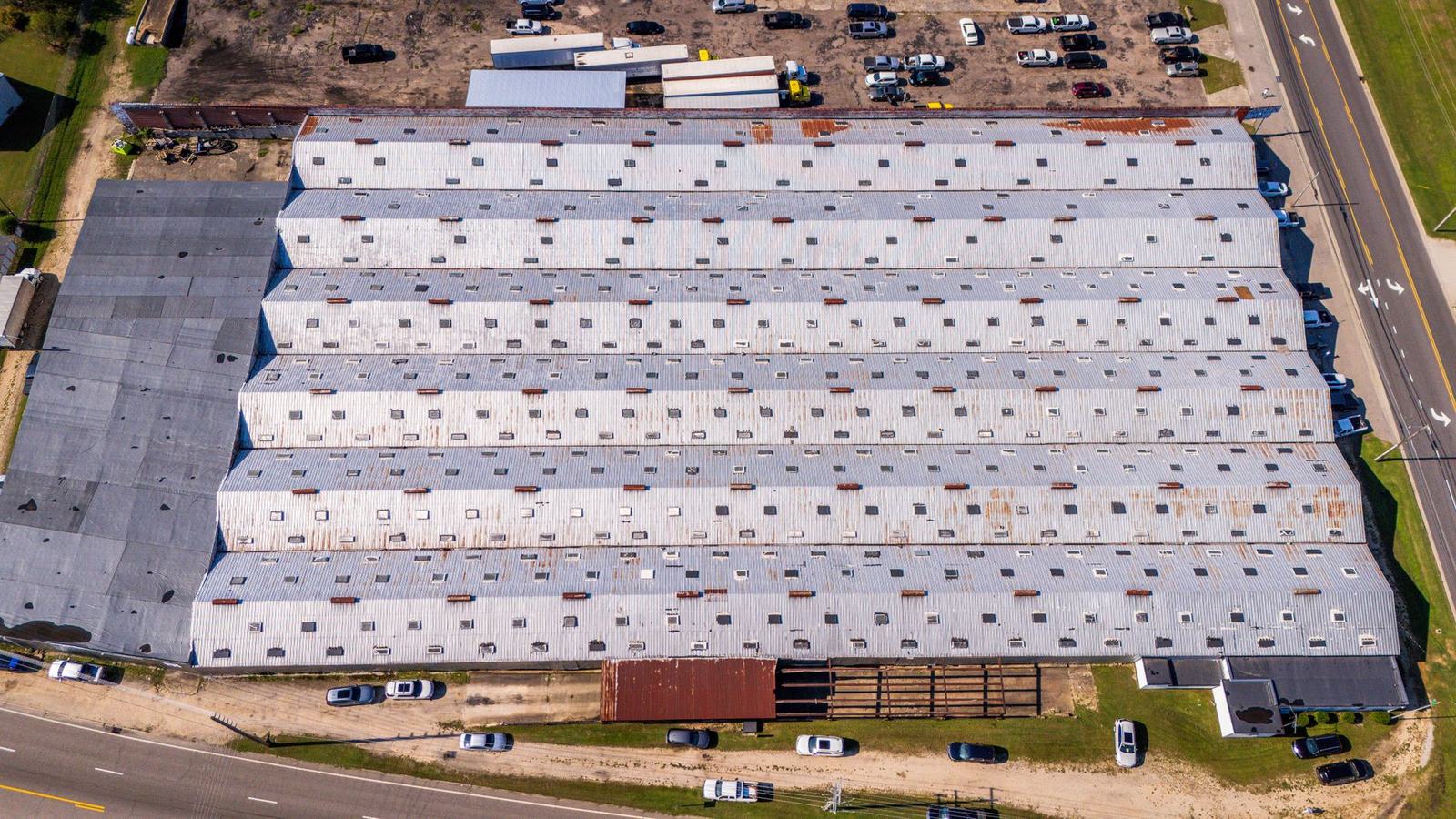
Logistics centres have extensive roofs and cladding with poor accessibility and constant vehicle movement. Drone cleaning enables large-area coverage with limited ground installation.
TERRABONA plans projects so loading bays and vehicle routes remain operational.
From a real project
Drone cleaning a glass façade in operation
Suitable surfaces and contamination
Property types
- Warehouses
- Distribution centres
- Logistics hubs
- Cold-storage facilities
- Warehouse networks
Structural elements
- Extensive roof areas
- Large cladding elevations
- Rooflights
- Loading ramps and canopies
Surfaces
- Metal sheeting
- Insulated panels
- Polycarbonate rooflights subject to review
Contamination
- Transport dust
- Vehicle exhaust residue
- Biological growth
- Bird fouling
- Deposits on rooflights
Methodology
- Site mapping including traffic zones
- Works scheduled outside peak loading hours
- Roof and cladding cleaned by drone
- Particular care around rooflights and gutters
- Documentation per building and per site
Technical parameters
Water and pressure
- Flow calculated for large surfaces and continuous operation.
- Pressure selected per contamination type and cladding material.
- Industrial ground supply system used.
- Available water take-off points confirmed inside the facility.
Cleaning agents
- Products selected for industrial soiling and greasy deposits.
- Compliance with the facility's environmental rules.
- Approval by the client's HSE department.
- Full safety data sheet documentation provided.
Limits and weather
- Flight restrictions above live processes or hazardous zones.
- Thermal plumes and emissions assessed.
- Wind and visibility limits defined per site.
- Airspace and neighbouring infrastructure reviewed.
Access and zones
- Exclusion zones aligned with the facility safety plan.
- Work permits and safety inductions completed before start.
- Coordination with shifts and vehicle movements.
- Controlled take-off points within a secure perimeter.
Environment
- Runoff managed under the facility's environmental permit.
- Drains and collection systems protected.
- Overspray towards live areas controlled.
- Documentation provided for the client's environmental audits.
Operational disruption
- Scheduling around shifts and production.
- Works placed in maintenance windows where possible.
- Interruption to loading operations minimised.
- Daily coordination with the site manager.
Quality control
- Results verified per zone and per contamination type.
- Areas of permanent deposit recorded.
- Before-and-after documentation for each building on site.
- Completion report compatible with the client's maintenance records.
Maintenance
- Annual or six-monthly programmes depending on soiling.
- Framework agreements across facility networks.
- Consistent methodology across multiple sites.
- Centralised documentation for multi-site groups.
Information required for assessment
- Total roof and elevation area
- Operating hours and peak periods
- Rooflight and rooftop equipment locations
- Drainage system
- Number of sites in the network
Frequently asked questions
Can a network of warehouses be covered?
Yes. Networks are handled as a multi-site programme with unified documentation.
Are rooflights affected?
Rooflights are assessed separately and cleaned at low pressure where deemed safe.
Related industries
Assessment
Start your project assessment
Submission of project information does not constitute acceptance, approval or confirmation. Every project is subject to technical, commercial, regulatory, safety and operational assessment.