
Service
Drone Special Architectural Structure Cleaning
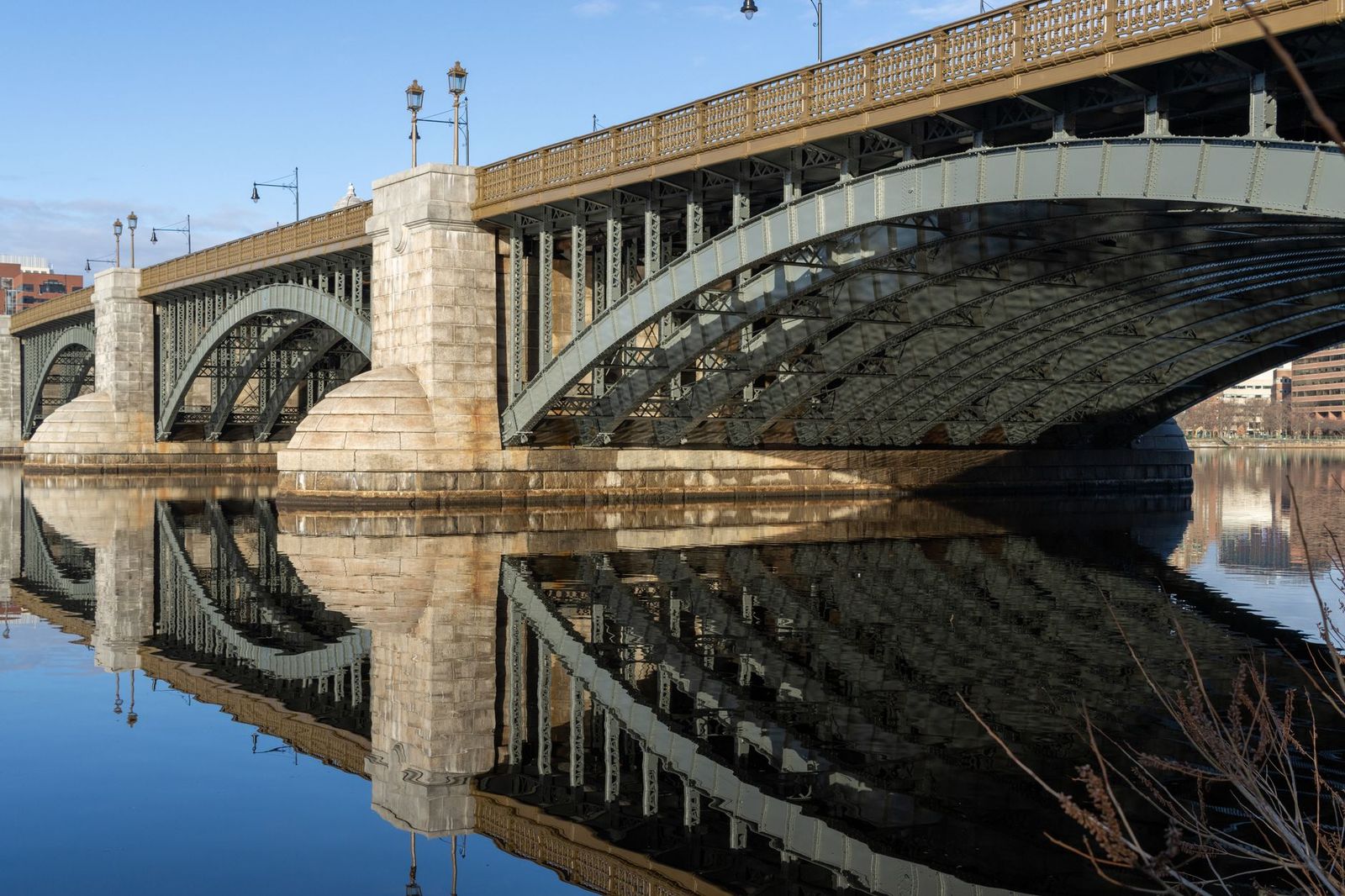
Projects on structures with distinctive geometry, significance or regulatory requirements.
Overview
Special structures require an approach combining technical precision with respect for the material and the regulatory framework. Each project is treated individually.
TERRABONA does not undertake works on protected monuments without the required approvals from the competent authorities.
From a real project
Drone cleaning a glass façade in operation
Suitable surfaces and contamination
Property types
- Stadium façades
- Exhibition centres
- Port buildings
- Architectural landmarks
- Airport-related facilities
Structural elements
- Membrane roofs subject to review
- Large signage
- Public monuments where authorised
- Marine structures
- Complex steel structures
Surfaces
- Metal
- Glass
- Membranes
- Stone surfaces subject to approval
- Composite materials
Contamination
- Marine salt
- Urban pollution
- Biological growth
- Bird fouling
- Dust
Methodology
- Regulatory and permitting requirements identified
- Collaboration with designers or authorities where required
- Documented trial area
- Bespoke mission plan
- Cleaning with complete photographic documentation
Technical parameters
Water and pressure
- Required water volume calculated per project phase.
- Pressure selected according to material and working height.
- Stable supply through the ground-support system.
- Backup supply for continuous operation on large projects.
Cleaning agents
- Compatibility assessed for every material on the structure.
- Products used only where technically justified.
- Owner or designer approval obtained where required.
- Application and concentrations fully documented.
Limits and weather
- Increased wind sensitivity at greater working heights.
- Real-time weather monitoring during the mission.
- Airspace assessment in dense urban environments.
- Flight restrictions near infrastructure, helipads or airports.
Access and zones
- Exclusion zones on pavements, roads and entrances.
- Coordination with authorities for temporary traffic measures where needed.
- Take-off and landing points with controlled access.
- Communication protocol between pilot, observer and ground team.
Environment
- Overspray drift modelled for the working height.
- Protection of public space and vehicles.
- Runoff plan for urban drainage systems.
- Chemical use minimised in public environments.
Operational disruption
- Works carried out in low-activity windows.
- Sectional coverage so entrances remain open.
- Occupants, visitors and neighbouring properties informed.
- Defined stop-and-resume procedure for interruptions.
Quality control
- Zone-by-zone inspection from the air and from ground level.
- Points requiring an alternative access method recorded.
- Before-and-after documentation per section of the structure.
- Final report covering conditions, equipment and outcomes.
Maintenance
- Periodic cleaning programme based on exposure.
- Surface condition monitored between cycles.
- Framework agreements for recurring works.
- Integrated into the property's annual maintenance plan.
Information required for assessment
- Protection status of the structure
- Permits required
- Material sensitivity
- Public access and events calendar
- Airspace restrictions
Frequently asked questions
Do you work on monuments?
Only with explicit authorisation from the competent authorities and after technical assessment.
How long does preparation take for such projects?
It depends on permitting. The schedule is defined during project assessment.
Assessment
Start your project assessment
Submission of project information does not constitute acceptance, approval or confirmation. Every project is subject to technical, commercial, regulatory, safety and operational assessment.