
Service
Drone Roof and Canopy Cleaning
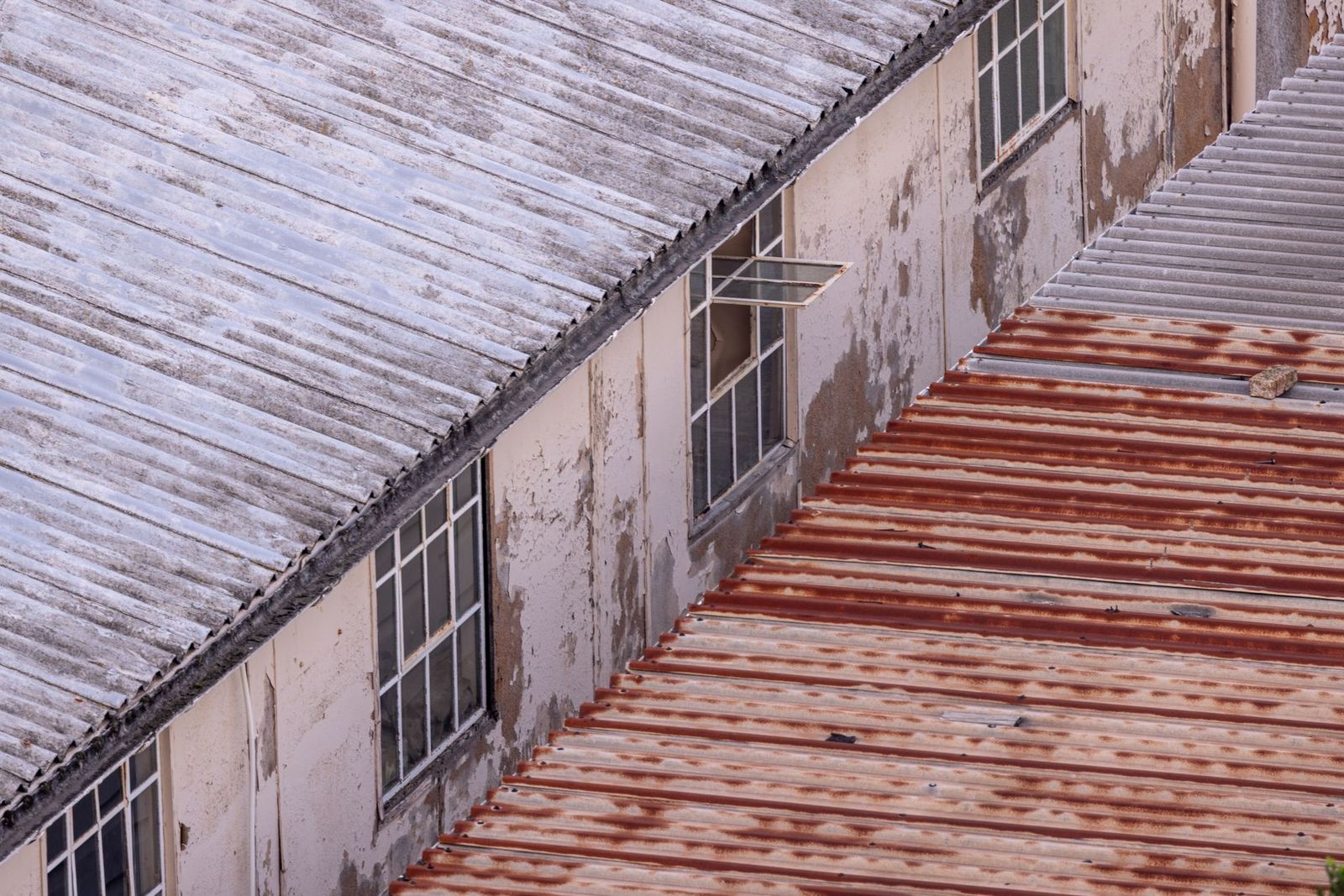
Roofs and canopies cleaned with gentle low-pressure methods and controlled runoff.
Overview
Roofs accumulate biological growth, dust and atmospheric pollution that affect drainage and property presentation. Drone cleaning allows work without personnel roof access where technically feasible.
The method is selected per material, with emphasis on low pressure and protection of membranes and insulation.
From a real project
Drone cleaning a glass façade in operation
Suitable surfaces and contamination
Property types
- Industrial buildings
- Commercial property
- Hotels
- Public buildings
- Sports facilities
Structural elements
- Industrial roofs
- Commercial roofs
- Canopies
- Suitable tiled roofs
- Approved membrane surfaces
Surfaces
- Metal sheeting
- Approved membranes
- Roof tiles
- Composite panels
Contamination
- Algae
- Mould and lichen
- Dust
- Atmospheric contamination
- Plant debris
Methodology
- Surface resistance testing
- Low-pressure soft-wash method selected
- Drainage and discharge points checked
- Application and controlled rinsing
- Aerial inspection of the result
Technical parameters
Water and pressure
- Low-pressure, soft-wash-compatible methods.
- Material resistance verified before application.
- Controlled flow to avoid overloading drainage.
- Watertightness confirmed before works begin.
Cleaning agents
- Algae and mould treatments selected after compatibility review.
- Biodegradable formulations where appropriate.
- Trial on a limited area before general application.
- Dwell and rinse times documented.
Limits and weather
- Operations suspended in rain or strong wind.
- Surface temperature and drying behaviour assessed.
- Airspace and neighbouring buildings reviewed.
- Restrictions on roofs with sensitive membranes.
Access and zones
- Perimeter exclusion beneath the roof area.
- Protection of skylights, vents and rooftop equipment.
- Coordination with facility maintenance.
- Ground team positioned clear of runoff points.
Environment
- Runoff and gutter-discharge management plan.
- Protection of surrounding grounds and planting.
- Product concentration in runoff controlled.
- Water and product quantities recorded.
Operational disruption
- Works completed without personnel roof access where feasible.
- Scheduling outside operating hours where required.
- Coordination with building users.
- Notice given where ventilation must be temporarily paused.
Quality control
- Aerial coverage inspection after cleaning.
- Areas of permanent deposit or degradation recorded.
- Photographic documentation per roof section.
- Completion report with maintenance recommendations.
Maintenance
- Periodic cleaning to control biological growth.
- Seasonal programmes in humid climates.
- Combined with gutter and drainage checks.
- Multi-year programmes for industrial portfolios.
Information required for assessment
- Roof material and age
- Condition of membrane or coating
- Gutter and drainage system
- Rooftop equipment
- Surrounding grounds and planting
Frequently asked questions
Is it safe on older membranes?
Only after a condition review. On degraded membranes cleaning may not be recommended.
How is runoff managed?
Through a runoff plan, protection of collection points and control of the products used.
Assessment
Start your project assessment
Submission of project information does not constitute acceptance, approval or confirmation. Every project is subject to technical, commercial, regulatory, safety and operational assessment.